

No Events
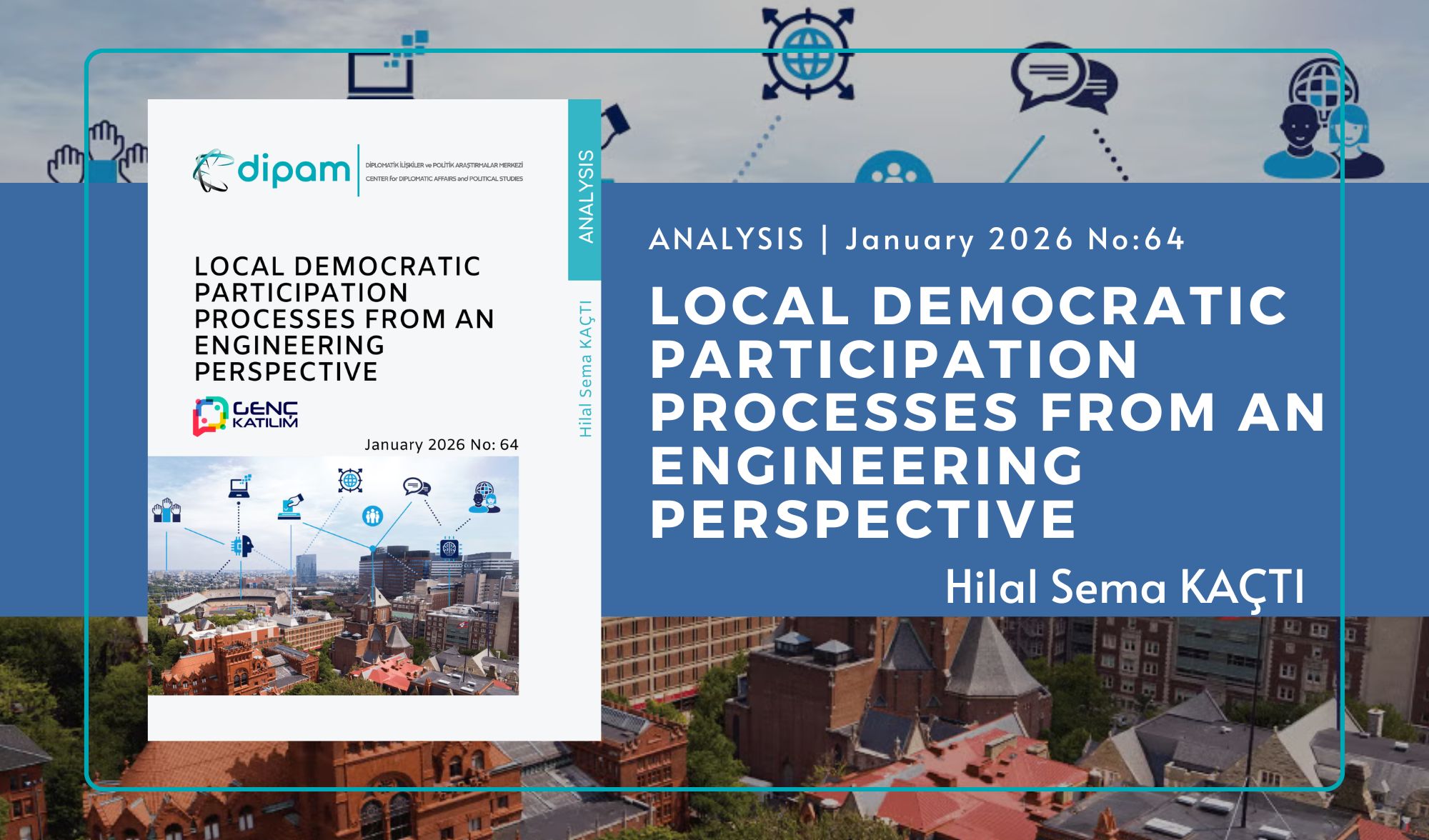
Local governments are among the most fundamental institutions established to meet the collective and local needs of citizens within national boundaries. In contemporary contexts, the problems encountered in the functioning of these institutions not only disrupt the natural and efficient operation of the system but also negatively affect citizens’ ability to benefit from the services provided by public authorities. Moreover, these challenges adversely influence public participation in democratic governance processes. In the existing literature, such problems are predominantly approached from a political perspective. However, this study adopts a novel standpoint by addressing the challenges faced by local governments through an engineering-oriented approach, aiming to develop efficient and sustainable solutions.
Ensuring the principles of accountability and transparency in local governments increases citizens’ trust in public administration. To establish such trust, it is essential to address the problems encountered in auditing and oversight processes. The application of engineering approaches to problem-solving can enhance the operational efficiency of local governments. The integration of engineering systems into the resolution of local governance challenges not only enables savings in time and budgetary resources but also strengthens citizens’ confidence in the management of these processes.
The provision of data such as budget expenditures, financial reports, and public procurement information to citizens through open data portals represents a clear example of engineering-based methods employed to promote transparency in local governments. As highlighted in the Türkiye Transparency Practices report published by Transparency International (February 2023), examples of good governance based on such practices also exist in Türkiye. In this context, the “Open Data Portal” project developed by Balıkesir Metropolitan Municipality and launched in February 2020 aims to enhance transparency in local governance. The datasets made available through the portal cover areas such as transportation, environment, quality of life, demographic structure, and rural development, and are intended to be updated on a regular basis.
The Şeffaf Ankara platform developed by Ankara Metropolitan Municipality represents a notable example of good practice aimed at promoting transparency and openness by presenting tender, budget, and project information in a manner that is easily comprehensible to citizens. Through its capabilities in data collection, process monitoring, and integration across multiple information systems, the platform demonstrates strong parallels with process management and information systems approaches widely discussed in the industrial engineering literature.
…