

No Events
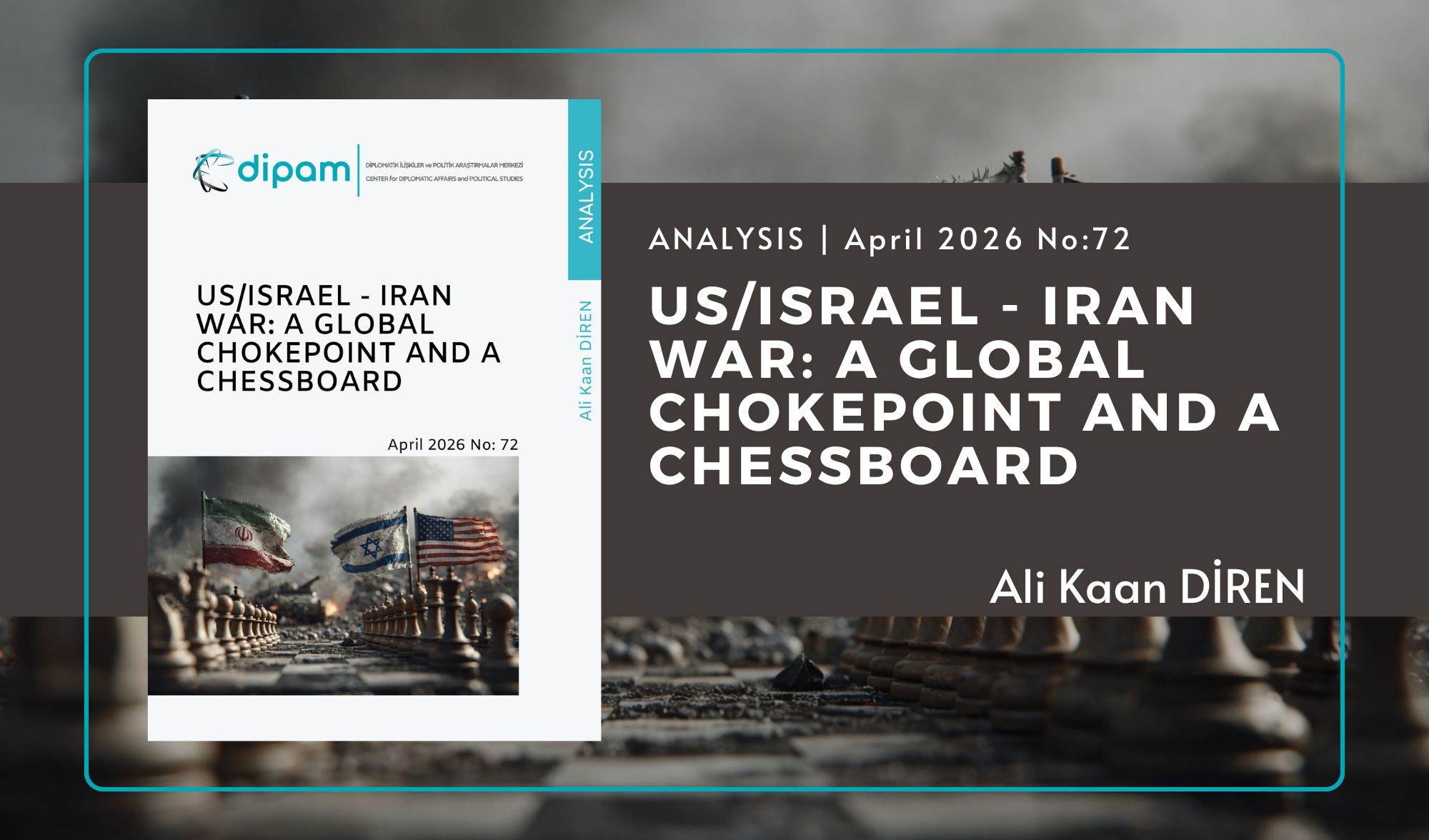
On December 28, 2025, following protests in Iran sparked by a deepening economic crisis, the current regime’s violent suppression of street protests drew criticism from the international community, particularly the United States. US President Donald Trump stated that Iran was using excessive force against protesters, emphasizing that the regime led by Ali Khamenei posed a danger to the region. In response, the US threatened Iran with the possibility of war by gradually amassing forces in the Middle East, while simultaneously suggesting negotiation as a solution. Tehran, upon entering the negotiating table, faced demands for restrictions on its ballistic missile program and limitations on enriched uranium used in nuclear energy. While negotiations conducted on these issues, the US, with the support of Israel, launched a bombing campaign against Iran on February 28, 2026, with the aim of achieving “regime change.” As a result, Supreme Leader Ali Khamenei and other key figures in Iran’s leadership were killed; the country was destabilized, and the protests were intended to escalate into a popular revolution. However, the expected reaction did not occur, and the Iranian people could not be incited against the current regime. Subsequently, Iran’s halt of diplomacy and its retaliatory missile attacks on US bases in the region and Israel created a situation from which the US could no longer easily extricate itself from the military operation it had initiated, even if it wanted to. Needing an honorable way out to end this war – without facing backlash from domestic public opinion – the US has not only become the target of retaliatory missiles but has also caused the disruption of oil flows through the Strait of Hormuz. These developments have put the Donald Trump administration in a race against time. There are several reasons for this: with the November 2026 congressional elections approaching, public opinion in the US is increasingly questioning the legitimacy of the war; the non-involvement of US global allies in the conflict; and the rising price of oil, creating a daily risk of an energy crisis, isolating the Trump administration by depriving it of the expected military and political support.
In the current situation, for the US to maintain its national and international prestige, it needs to win the war quickly; this requires opening the Strait of Hormuz and militarily restricting Iran. Otherwise, in addition to the loss of equipment and increased logistical costs for the US, unstoppable retaliatory attacks from Iran could prevent the US from further financing the war. Besides the economic dimension, it is also predictable that the Trump administration will fear the discontent that a low-intensity war spanning years would create in the US public. A resolution to the war through dialogue in the near future is also possible, but this requires the establishment of a healthy negotiation environment. The conflicting statements from both sides regarding whether or not talks are taking place between the US and Iran do not currently send a positive signal regarding the possibility of dialogue.
This analysis attempts to understand the US decision to wage war against Iran by examining possible explanations for this decision. The first part will address the influence of Israel, the other instigator of the war, on the US. The second part will examine whether China was behind the motivations for initiating this war. After addressing these two claims, assessments will be made regarding the future of the post-war international system.
…