





No Events
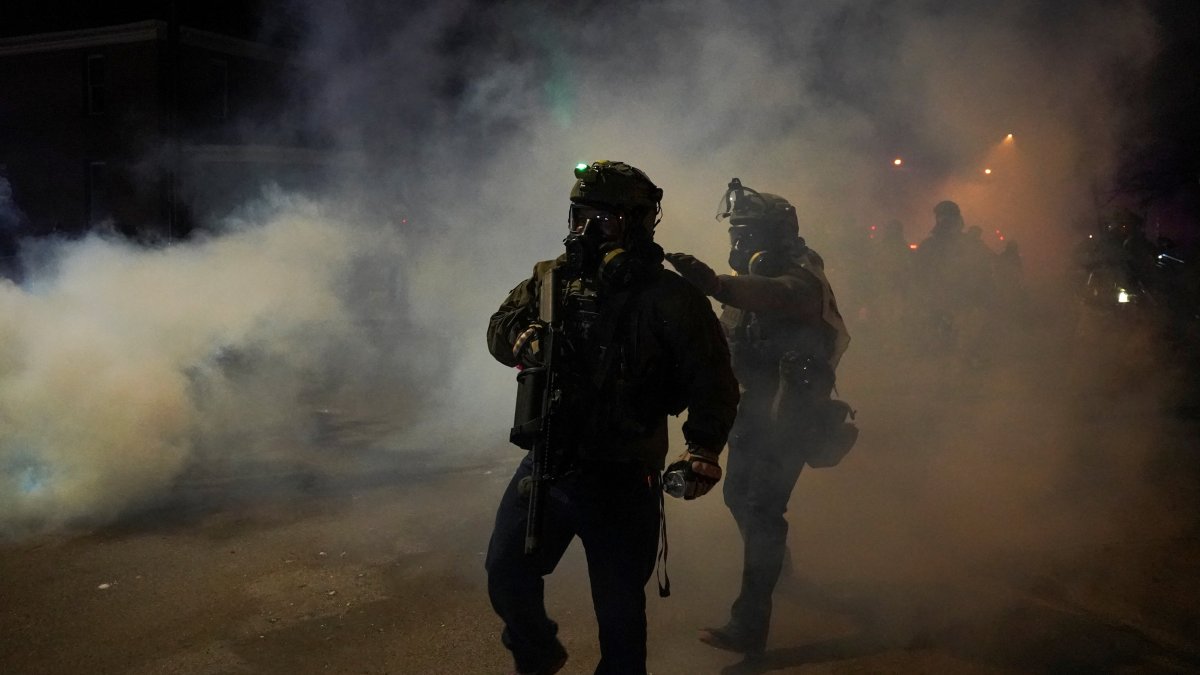
Protests directed against the U.S. Immigration and Customs Enforcement (ICE) may appear, on the surface, to be a debate over immigration policy. In reality, however, they carry a far deeper political and international significance. These protests are not merely objections concerning the status of undocumented migrants; they constitute part of a broader struggle over the relationship between security and the state, human rights norms, and America’s claim to global leadership. Rather than viewing these protests solely as reactions confined to U.S. domestic politics, they should also be read as symptoms reflecting the transformation of the global order.
As the second Trump administration approaches the end of its first year, it is evident that collective anxiety, fear, and frustration regarding the increasingly authoritarian trajectory of Washington are intensifying.
The Foundations of the Protests: Rights, Identity, and Inequality
At the core of the protests lies the question of how rights are defined. The primary dynamic here consists of allegations of human rights violations. Conditions in detention centers, the separation of children from their families, and limited access to legal procedures create an explicit contradiction with the liberal norms that the United States itself claims to uphold. Yet criticism of ICE practices is directed not only at the severity of procedures but also at the linkage of rights to citizenship status. The exclusion of migrants from full legal processes produces a practice that effectively suspends the idea of the universality of rights.
…
Domestic Political Effects: Democracy Under Stress
One of the most visible effects of this process is the questioning of the extent to which the expansion of state authority justified by security concerns aligns with social consent. Reactions to ICE practices are directed not only at deportation or detention itself but also at the political logic through which these practices are legitimized. The more dominant security discourse becomes in the public sphere, the stronger the perception that democratic oversight mechanisms are being weakened.
…
International Repercussions: The Erosion of Normative Power
The most enduring impact of protests against ICE is observed not only in the domestic political balance of the United States but also in the erosion of its legitimacy at the global level. If the U.S. has long been able to exert influence beyond its military and economic capacity, this has largely stemmed from its ability to present its own values as universal norms. However, harsh practices surrounding the immigration regime and the protests they have triggered are increasingly calling this normative claim into question.
…
The full version of this OP-ED article has been published by Daily Sabah on January 16, 2026.